
How NATO nations need to sell the 5 percent spending hike to their own people
The Atlantic Council's Kristen Taylor argues in this op ed that committing to defense spending is only half the battle.
The Atlantic Council's Kristen Taylor argues in this op ed that committing to defense spending is only half the battle.

“China's outproducing us in ships, munitions and other systems,” Peter Modigliani, one of the authors of the report said. “So that's where software is going to be the differentiator.


The initial command and control gateway to earn a continuous Authority to Operate is changing multi-domain operations.
The Atlantic Council’s Commission on Defense Innovation Adoption acknowledged in a new report that there were “broader, strategic matters” that “will take time to reach full implementation.”

Executives controlling almost $100 billion in assets co-signed a letter to Sec. Lloyd Austin, urging him to adopt acquisition reforms put forward by an independent Atlantic Council commission.

Michèle A. Flournoy and Wendy R. Anderson lay out their vision for how the Pentagon can speed software acquisition in this new op-ed.

The report, co-chaired by former Defense Secretary Mark Esper and Air Force Secretary Deborah Lee James, encourages reforms in other parts of the government to speed up defense acquisition.


Cybersecurity skills must evolve in near-real time as Zero Day threats continue and AI provides new challenges.
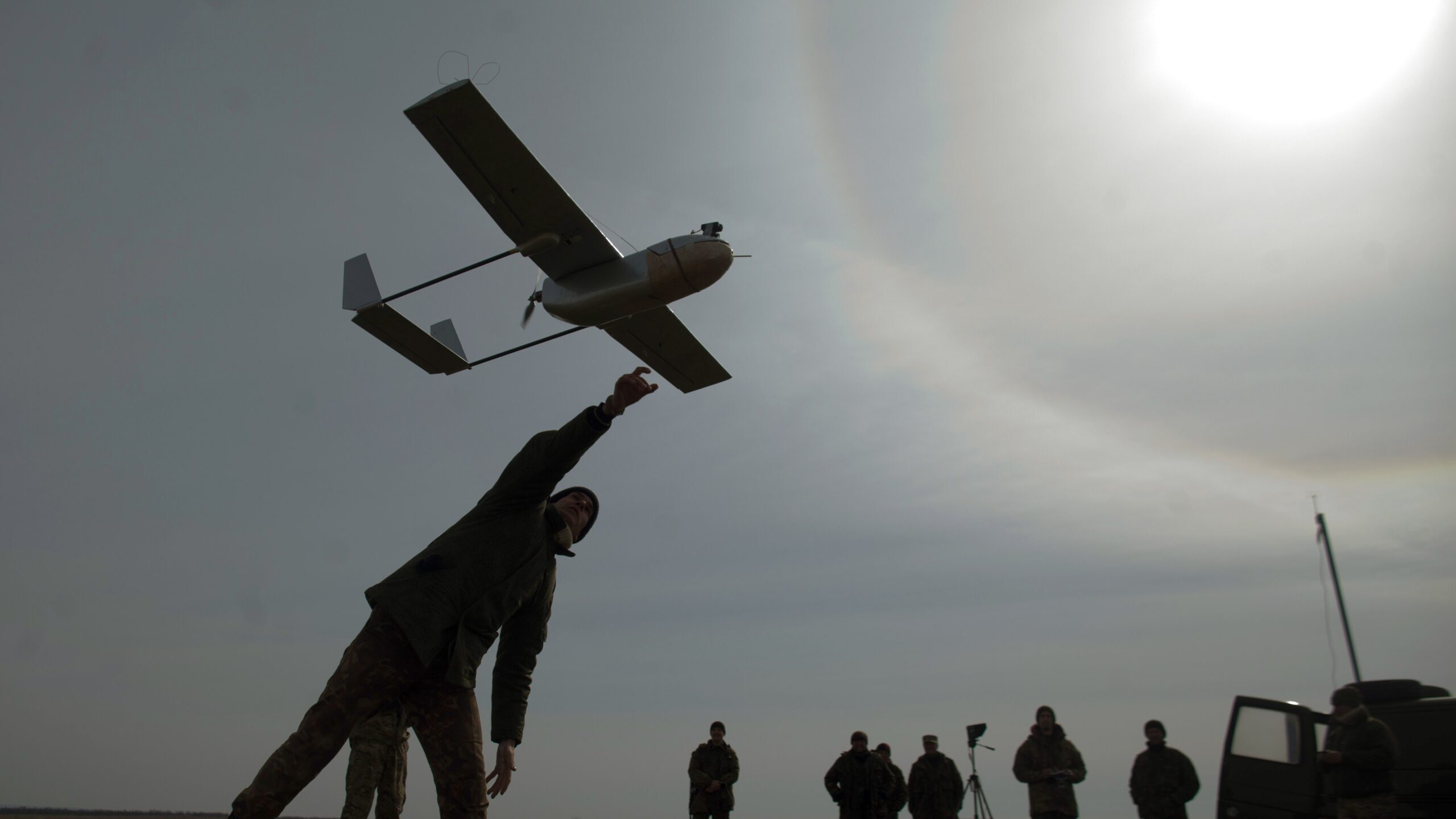
Ukraine’s success against Russia in the skies shows how tactics have changed, in ways Taipei could replicate, write analysts Kelly Grieco and Julia Siegel.

The trick will be to avoid "a situation in which China believes that it has no alternative but to act," says RAND's Michael Mazzar.

"If everybody we talk to is the enemy, and there's a boogeyman behind every question and every opportunity, we're not going to go anywhere," retired Marine Corps Gen. Hoss Cartwright says. "We're frozen."

The Army can cope with regional dangers like Iran even as it refocuses on Russia and China, the secretary said. In fact, he said, the Army's controversial modernization program will help with both sets of threats.


Consolidate network monitoring, performance management, and fault isolation into a single, comprehensive solution.

To defend 21st century networks, should the US use the model of 18th century privateers?

“We have a saying in Asia...When the elephants fight, the ants get smashed.”

As the US and its allies scramble to stay ahead of China and Russia, a bold proposal for a massive revamp of tech sharing emerges.
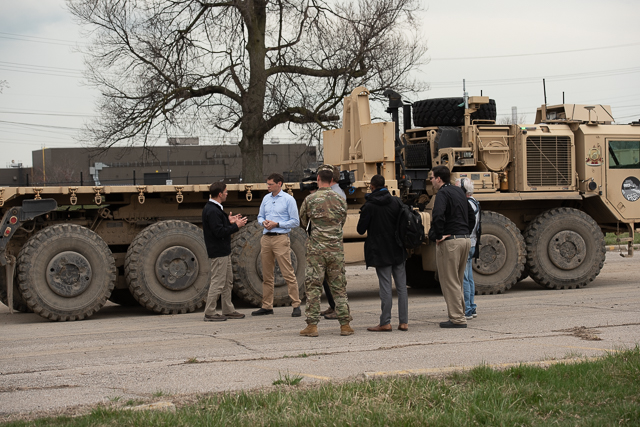
“If you look back at the Iraq war, one of the most dangerous duties was driving, riding in a convoy between Kuwait City and Baghdad. We lost many, many soldiers, too many soldiers, to IED (roadside bomb) attacks, other attacks on convoys," Esper said. "I could’ve reduced that vulnerability, that sacrifice, (with) unmanned convoys or convoys that were manned by (only) a couple of soldiers.”